Doctor of Medicine
Zih Emmanuella Mayoe
Most patients are not lost to the disease. They are lost to the hours before anyone reaches them.
I am a physician trained in Cuba and formed in Ghana, and the question I came into medicine with has never really changed: not what the patient has, but how long it took anybody to find out.
TAP TO VIEW · 1/3
- 4.67 / 5
- Academic index
- Six-year Doctor of Medicine, University of Medical Sciences of Havana — 799 credits, on a scale where 5 is Excellent and 3 is Satisfactory.
- ~100
- ED patients per shift
- Internal medicine emergency on a 1-in-4 call rotation, through a season in which arboviral infection accounted for roughly ninety percent of the department's census.
- 14
- Families on my panel
- CMF-4 community practice: five obstetric, eight paediatric and ten geriatric patients held in continuous longitudinal follow-up.
- 5 of 5
- Antenatal enrolments before 20 weeks
- Every obstetric patient on the CMF-4 panel was enrolled in prenatal care before twenty weeks' gestation — which requires knowing who is pregnant before she presents.
- 9
- Paediatric subspecialties
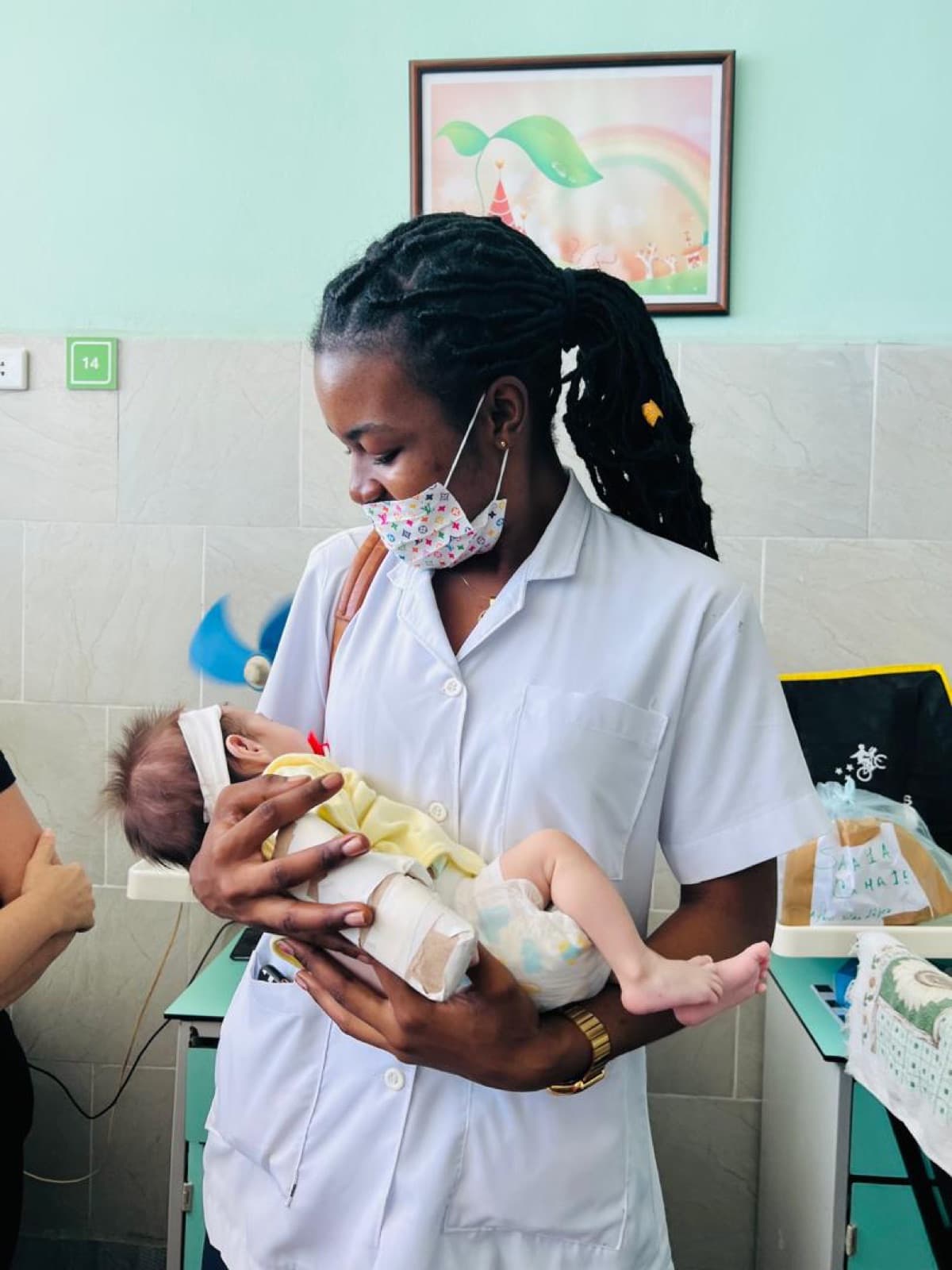
- Structured exposure across nine subspecialties, held simultaneously with the same 1-in-4 emergency call schedule.
- 207
- Internship credits
- Internal medicine 51, paediatrics 51, comprehensive general medicine 35, general surgery 35, obstetrics & gynaecology 35 — the 2025–2026 internship year.
Selected work
Highlighted projects
About
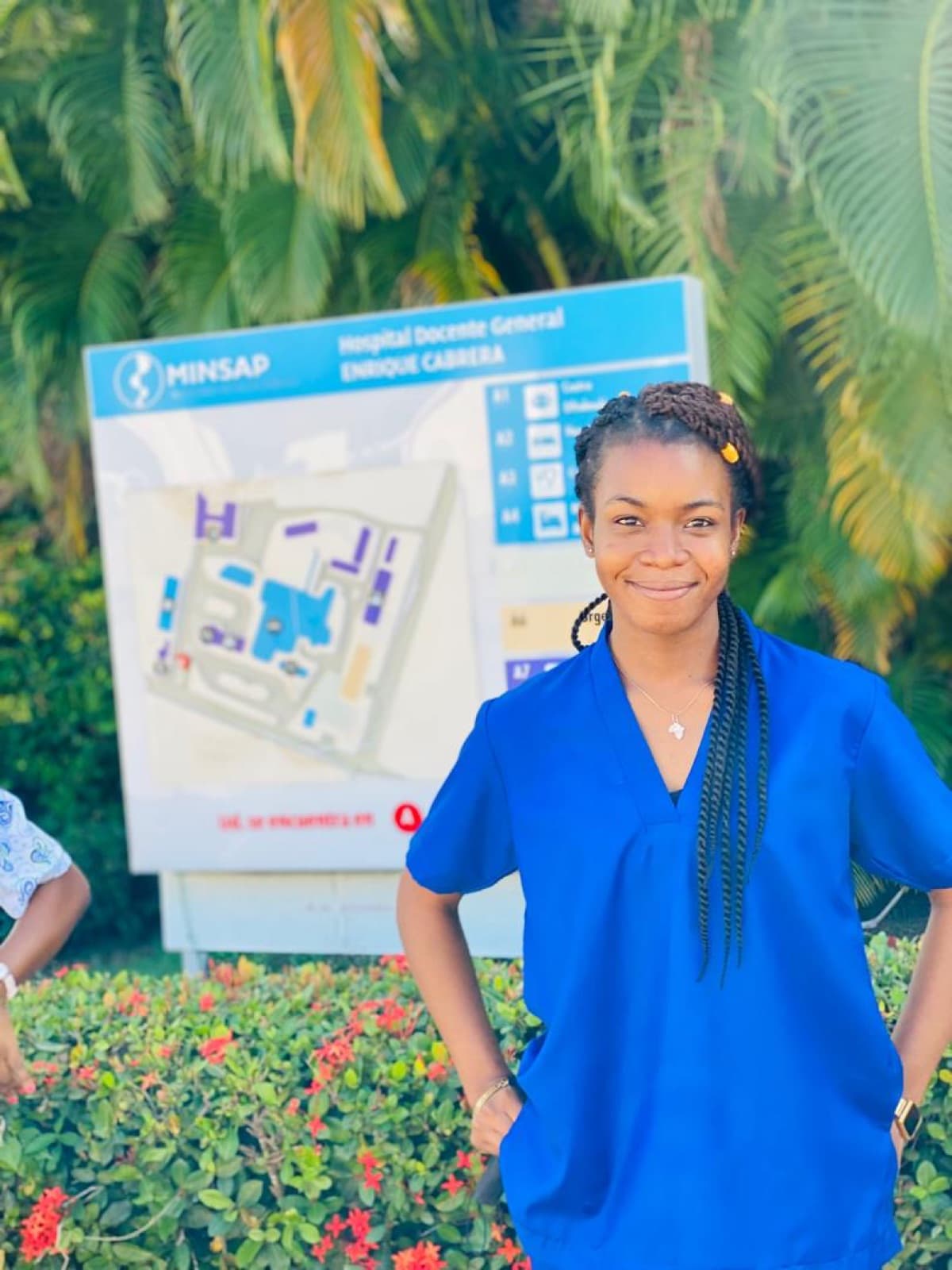
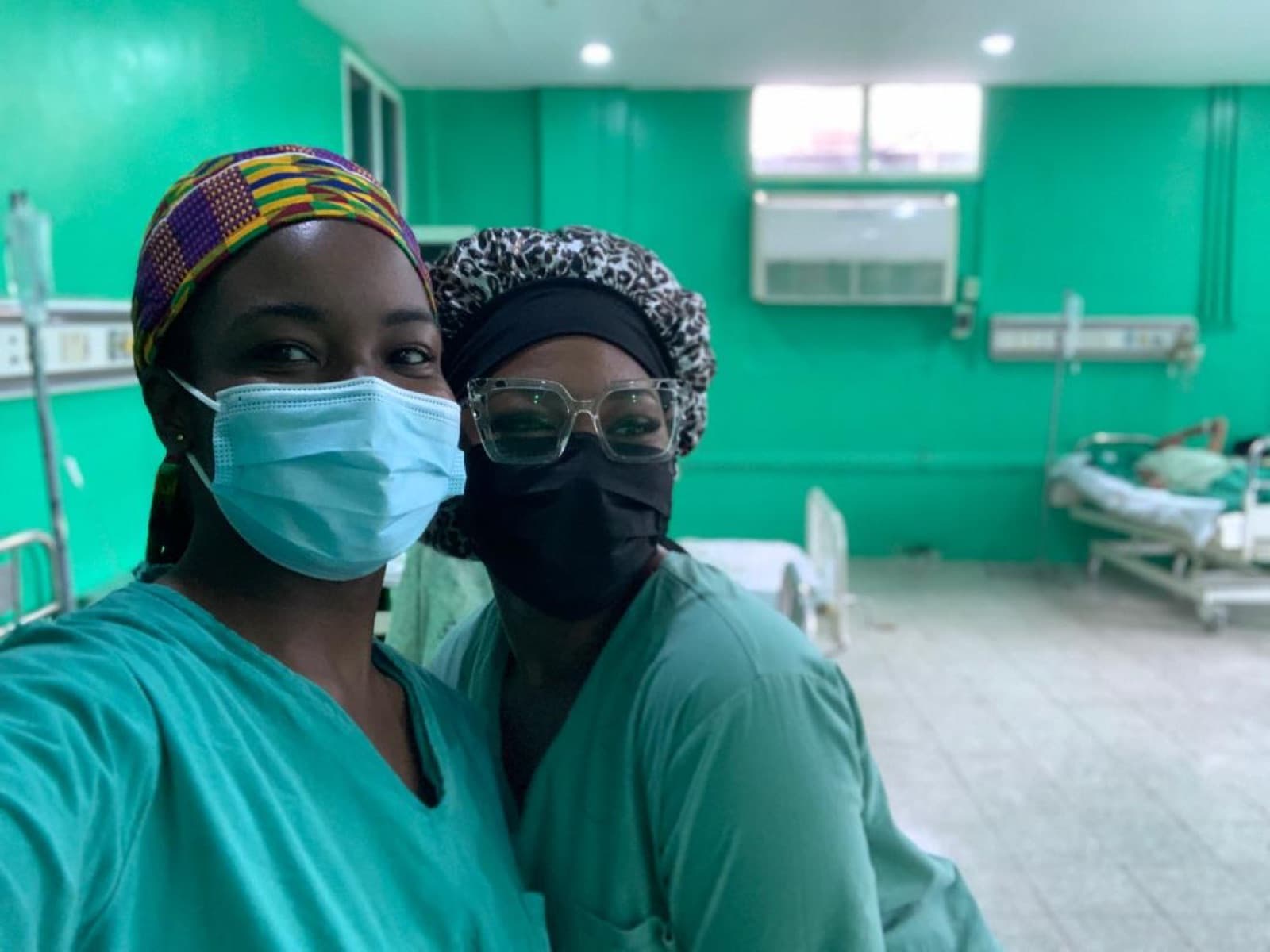
My clinical training was deliberately broad. Between 2025 and 2026 I completed a rotating internship at Hospital Docente General Enrique Cabrera in Havana — internal medicine, general surgery, paediatrics, obstetrics and gynaecology, and comprehensive general medicine — carrying a 1-in-4 emergency call rotation throughout. On any given call I might intubate a patient in respiratory failure, drain a tense ascites, first-assist on a ruptured abdominal aortic aneurysm, weight-dose a nebuliser for a wheezing four-year-old, or decide whether a woman who looks entirely well needs to be admitted tonight.
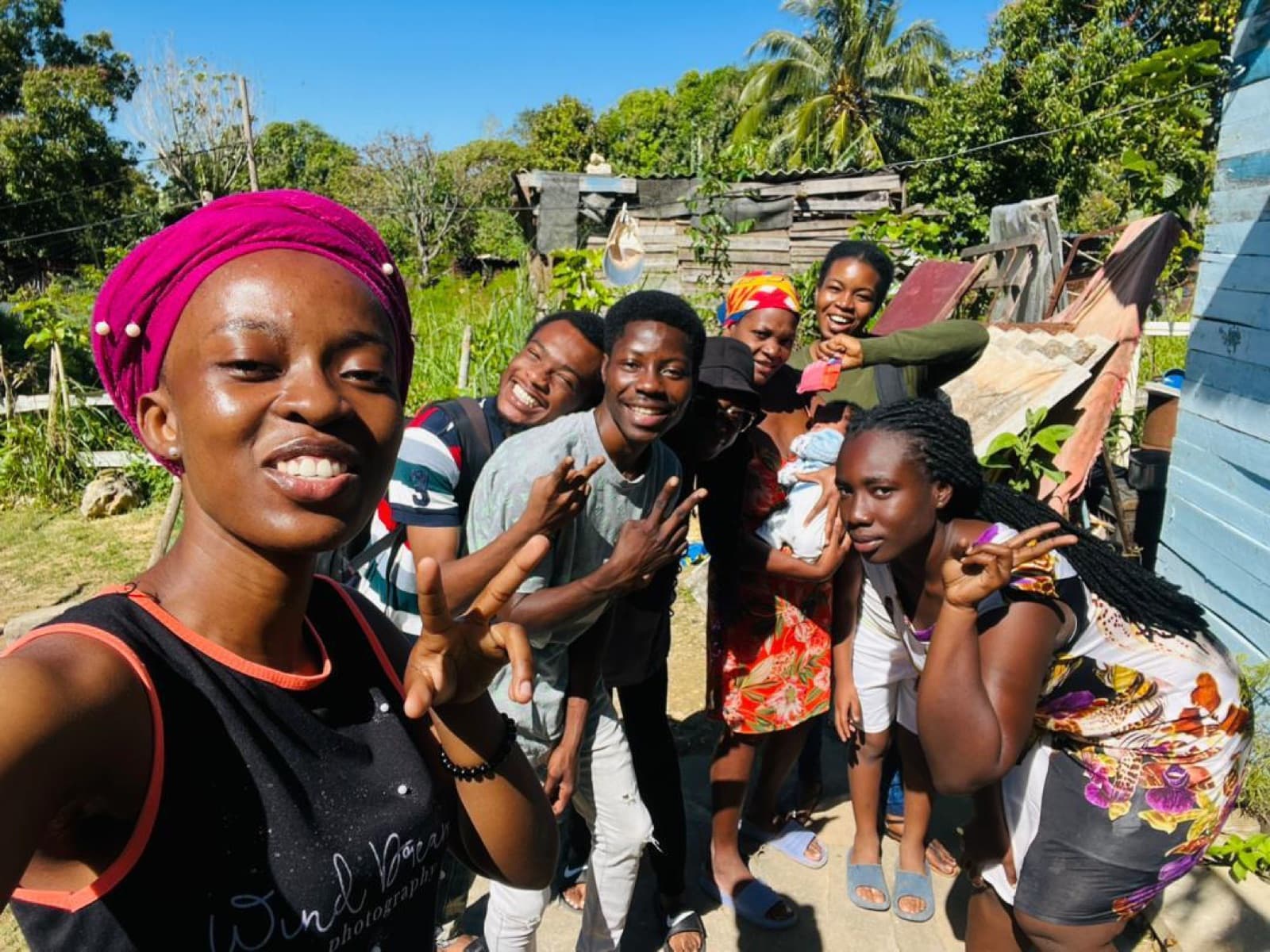
The other half of my training happened outside the hospital. At Consultorio del Médico y la Familia No. 4 I held a panel of fourteen local families — five obstetric, eight paediatric, ten geriatric patients — and reviewed them house to house every fortnight. That is where I learned the part of medicine that hospitals cannot teach: how to go and find the patient who has not come.
I care about the interval. Not the diagnosis, which is usually the easy part, but the distance between a person and the care that already exists for them — measured in fuel, in referrals, in whether a relative could be reached. Closing that distance is the whole of the work I want to do.
Connect
Get in touch
Tap any link to copy it.